
What Is the Difference Between an Arborist and a Tree Lopper?
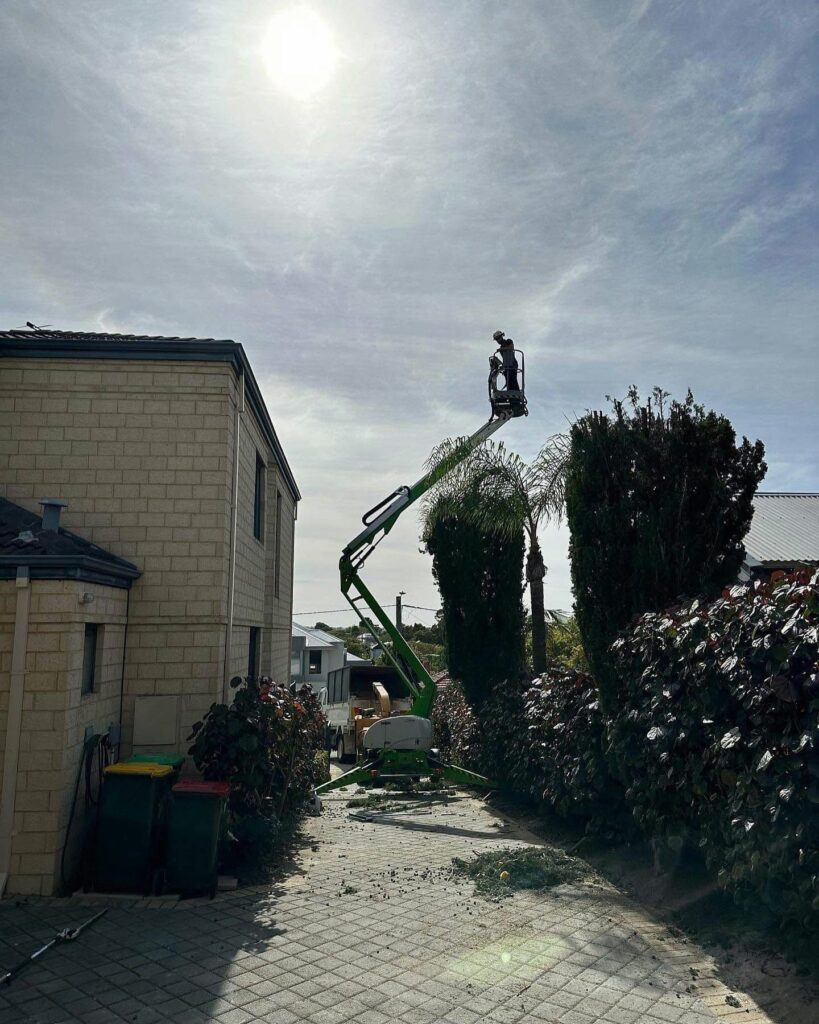
Tree maintenance involves more than cutting branches. If you have an overgrown tree or damaged limbs, you may wonder whether to hire an arborist or a tree lopper. Both carry out tree work, but their approach can differ.
An arborist focuses on tree health, structure, risk assessment and suitable maintenance. Tree lopping generally refers to cutting back branches or sections of a tree. For homeowners and businesses searching for an arborist in Mount Hawthorn, understanding the difference can help you choose the right service.
What Does an Arborist Do?
An arborist has specialist knowledge of tree biology, structure and maintenance. They assess a tree’s condition and location before recommending work, considering health, safety and long-term structure.
Common Arborist Services
Services may include:
- Tree health assessments: Identifying signs of disease, decay, pest damage and declining health.
- Tree pruning: Removing selected branches to manage growth and improve clearance.
- Hazard assessments: Examining defects, damaged limbs, root disturbance and potential risks.
- Tree removal: Removing dead, severely damaged or unsuitable trees when retention is not practical.
- Arborist reports: Providing documented assessments for planning or tree-management purposes where required.
- Maintenance advice: Recommending care based on species, growing conditions and property needs.
When contacting an arborist in Mount Hawthorn, ask about qualifications, experience and the services they provide.
What Does a Tree Lopper Do?
Tree lopping involves cutting back branches or sections of a tree, often to reduce its size or manage excessive growth.
Not every cutting technique suits every tree. Excessive or poorly planned cutting can remove too much canopy, create large wounds and encourage weak regrowth in some species.
Tree lopping may involve removing overhanging or damaged branches, reducing selected canopy sections or cutting down a tree. Appropriate work should account for the tree’s species, structure and condition. If substantial canopy reduction is proposed, ask the contractor to explain the planned cuts and possible effects.
Arborist vs Tree Lopper: Key Differences
The main difference is the scope of assessment and approach to tree work. An arborist applies specialist tree knowledge to assess and manage individual trees. Tree lopper usually describes someone who cuts back or removes trees.
An arborist assesses tree health, structure and risk, and may recommend retention, pruning or removal. A tree lopper generally carries out cutting work, although training and assessment skills vary between contractors. Some tree loppers have extensive experience, and arborists may also undertake pruning and removal. Check relevant qualifications, experience, insurance and equipment before hiring.
These descriptions are general, not absolute. Some tree loppers have extensive practical experience, while arborists may also undertake pruning and removal. Confirm the person’s qualifications, experience, insurance and equipment for your job.
When Should You Hire an Arborist in Mount Hawthorn?
An arborist is useful when a tree shows signs of declining health, presents a possible risk or needs work that could affect its structure.
Mount Hawthorn properties may have established gardens, mature trees, narrow side access and trees close to houses, fences or driveways.
Signs Your Tree Needs Assessment
Arrange an assessment if you notice:
- Large dead branches or limbs that have started to split.
- Cracks in the trunk or major branch unions.
- Fungal growth or suspected decay.
- A sudden change in the tree’s lean.
- Exposed roots or disturbed soil.
- Branches extending over roofs, paths or frequently used areas.
- Storm damage affecting the tree’s structure.
These signs do not automatically mean removal is necessary. An assessment can determine whether pruning, monitoring or removal is appropriate. If a damaged tree appears unstable, keep people away and seek professional assistance. Stay clear of branches near powerlines.
How to Choose the Right Tree Service
Assess any provider before accepting a quote. A low price may not cover the full work scope or necessary safety measures.
Check Qualifications and Insurance
Ask about arboriculture qualifications, practical experience and previous work on similar trees. If you need an arborist report, confirm that the professional can prepare the documentation required for your situation.
Tree work involves chainsaws, elevated work areas and falling branches. Confirm appropriate insurance, including public liability and workers compensation where applicable. Ask how the contractor will manage work zones and protect nearby structures.
Request a Written Quote
A written quote should clarify whether it includes:
- Tree pruning or removal.
- Labour, machinery and equipment.
- Protection for buildings, fences and gardens.
- Branch and green waste removal.
- Stump grinding, if required.
- Site clean-up and additional charges.
Before significant pruning or removal, check whether local planning controls or tree protection requirements apply.
Contact Real Tree Solutions About an Arborist in Mount Hawthorn
The right tree professional can manage overgrown branches and assess potential hazards. The suitable service depends on the tree’s condition and the property’s surroundings.
Real Tree Solutions can assist property owners seeking tree pruning, maintenance and removal. If you have a mature tree near your home, storm-damaged branches or concerns about excessive growth, a professional assessment can help identify suitable next steps.
Need help managing trees on your property? Contact Real Tree Solutions for assistance from a local arborist in Mount Hawthorn. Discuss your concerns, explain the condition of your trees and request a quote for suitable tree care services.